
All about glass hummingbird feeders

Choosing a hummingbird feeder isn’t just about looks. It’s about creating a safe, reliable food source that keeps birds coming back. With so many options available, the material you choose plays a bigger role than you might expect.
Glass hummingbird feeders are a popular choice, but how do they compare to other materials? From durability and maintenance to seasonal performance, here’s what to consider before you decide which hummingbird feeder to buy.
Are glass hummingbird feeders better than plastic?
Glass hummingbird feeders are often considered the premium option. Their smooth, non-porous surface makes them easier to clean, which helps reduce the risk of mold and bacteria buildup that can harm hummingbirds. They also don’t fade, warp, or degrade in sunlight the way some plastic feeders can over time.
However, plastic feeders still have their place. They’re lightweight, less expensive, and won’t shatter if dropped.
BEST GLASS HUMMINGIRD FEEDERS
Are glass hummingbird feeders good?
Yes! Glass feeders are an excellent choice for many backyards. They’re especially popular with birders because they’re easy to clean, durable and can last a lifetime.
Plus, many people simply love the look. Glass feeders often feature decorative designs that add beauty to your outdoor space.
HANDBLOWN GLASS HUMMINGBIRD FEEDERS
Pest-prevention tip: Many antique-style glass gravity feeders and glass dish feeders do not include a built-in ant moat. Adding an external ant moat is a simple way to keep ants and other crawling insects out of your nectar, helping maintain a cleaner, safer feeding environment.
Do glass hummingbird feeders get too hot?
Like any feeder, glass can warm up in direct sunlight. When nectar gets too hot, it can spoil faster and become unsafe for birds.
However, it’s easy to manage with these tips for keeping hummingbird nectar cool in the heat:
- Hang your feeder in partial or full shade
- Refresh nectar more frequently in hot weather
- Rotate between two feeders, bringing one inside and replacing with a room-temperature feeder
In fact, glass often performs better than plastic in heat because it doesn’t degrade or leach chemicals over time.
Will my glass hummingbird feeder freeze?
Yes, glass feeders can freeze in cold temperatures, just like any other feeder.
When temperatures drop below freezing, nectar will solidify regardless of the material. Glass is susceptible to cracking in extreme cold temperatures or fluctuations in temperature.
To help prevent your hummingbird feeder from freezing:
· Bring feeders indoors overnight
· Rotate between two feeders, bringing one inside and replacing with a room-temperature feeder
· Place feeders in a sheltered, less windy spot
· Use a window hummingbird feeder to utilize heat radiating from the house

How to clean a glass hummingbird feeder
Keeping your feeder clean is one of the most important things you can do for hummingbird health.
Because nectar can spoil, ferment, or grow mold quickly, regular cleaning is essential – especially in hot weather or direct sunlight, when spoilage happens faster. If you notice cloudy nectar, white strings, or dark spots, empty and clean the feeder right away.
How often should you clean it?
· Every 2-3 days in hot weather
· At least once a week in cooler conditions
Simple cleaning steps:
1. Take the feeder apart completely
2. Rinse all parts with hot water (a little vinegar can be added to the water to help prevent mold from becoming established)
3. Use a bottle brush to scrub the reservoir and ports
4. For deeper cleaning, soak in a solution of one part vinegar to hot water
5. Rinse thoroughly and let all parts dry before refilling
For stubborn buildup or mold, a more thorough wash may be needed. Glass parts can typically go in the dishwasher. Plastic components can also be placed on the top rack if your dishwasher does not warp or melt plastics (as all machines run differently). Smaller components can be hand-cleaned with a brush to reach tight areas.
Regular cleaning keeps nectar fresh, prevents harmful bacteria, and ensures hummingbirds keep coming back.
How to stop a glass hummingbird feeder from leaking
A leaking feeder can waste nectar and attract unwanted pests. But in most cases, the fix is simple.
First, identify your feeder type:
· Gravity (vacuum) feeders rely on a seal to control nectar flow
· Glass bowl or dish feeders do not use a vacuum and may drip if overfilled
Start with a quick check of the feeder itself (gravity feeders):
· Make sure the glass reservoir is screwed on tightly
· Ensure all base parts are securely fastened
· Press flower ports firmly into place
· Check for any cracks in the base components
With gravity feeders, the leak protection comes from the vacuum seal created between the reservoir and base – not from the upper and lower base components sealing together. The upper base acts as a cover for nectar, but it does not need to be watertight to prevent leaking.
If everything is assembled correctly and the feeder is still leaking, temperature may be the cause. In warm conditions, air inside a gravity feeder can expand, breaking the vacuum seal and allowing nectar to drip.
To test this, try moving the feeder to a cooler location, or do an indoor test using water. If the leaking stops, relocate the feeder outdoors to a more shaded area to help maintain a stable seal.
It’s important to hang your feeder in a stable location where it can rest evenly. If a feeder hangs at an angle or tilts, it can prevent the vacuum seal from forming properly and lead to leaking. Using a sturdy hanger or pole can help keep the feeder level and secure.
It’s also worth noting that movement can temporarily disrupt the vacuum. Wind, curious critters, or larger birds may jostle the feeder enough to cause brief leaking. Once the movement stops, the vacuum will typically re-seal on its own. It might be necessary to move your hummingbird feeder to an area where squirrels and other animals can’t easily access it.
Final thoughts
Glass hummingbird feeders strike a balance between beauty, function, and bird safety. They’re easy to clean, long-lasting, and visually appealing, which makes them a favorite for many bird lovers.
Like any feeder, they perform best with proper placement and regular maintenance. Keep them clean and full of fresh nectar, and your backyard will quickly become a hummingbird hotspot.
Thinking about upgrading your setup? A glass feeder might be exactly what your hummingbirds need!
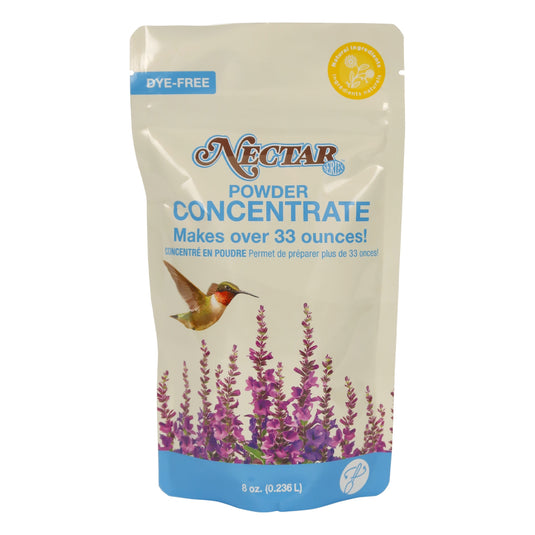
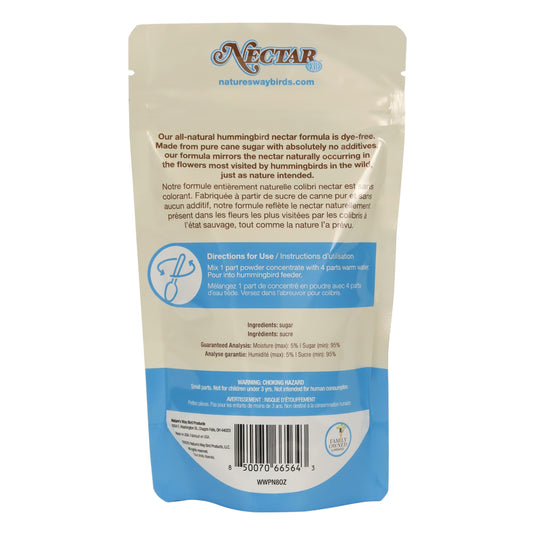
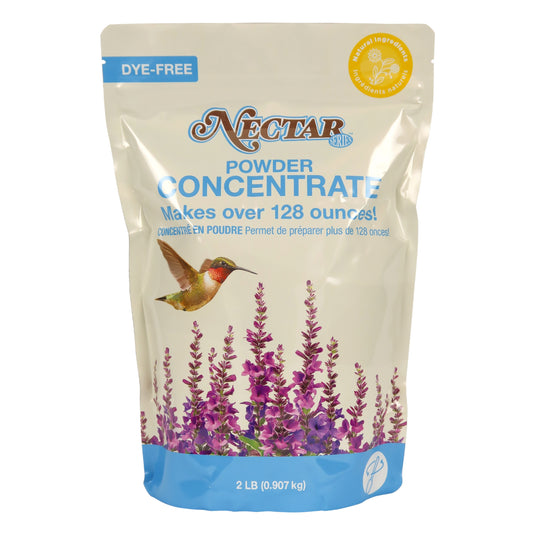
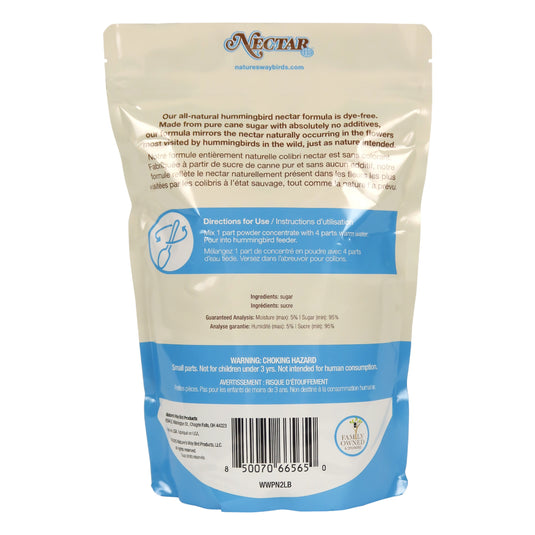
STOCK UP ON PRESERVATIVE-FREE HUMMINGBIRD NECTAR