Wrens and chickadees both prefer houses that are located in a sheltered area - under the shade and protection of tree branches is ideal. When possible, hang the house so that the entry hole faces away from incoming weather anywhere from 5-10 feet off the ground. Higher or lower placement can also work as long as there is good cover nearby.
Hanging Your Wren House
A hanging style house is preferred so that it can be placed outward on a branch to help prevent predators reaching the nest. You can utilize the hanging cable that comes attached to your house to hang it as wrens will use a house that freely swings. A box house should be mounted on a pole with space in front of the opening, or can also be mounted under an eave to offer additional protection from the elements and predators.
For best success, we recommend placing your nest boxes by February in the south. In northern regions, place your nest boxes by mid to late March for best results. Don’t be discouraged if birds don’t begin nesting in them immediately. Sometimes it takes time for the birds to discover and start using a house.
House Inhabitants
All Nature's Way wren houses have a 1 1/8" opening to accommodate both house wrens and chickadees while keeping unwanted larger birds out.
A male wren will build a nest out of sticks and perch on the branches above the house to attract a female. These small birds have a very beautiful and distinct song and you will often hear their song before you are able to spot them flitting in the branches near the house.
A pair of chickadees will work together to build their nest with moss, pet hair, or other types of fur-like material. These small birds are very social and are easily and quickly drawn to bird feeders, oftentimes even when people are nearby.
Maintaining a Clean Birdhouse
Birdhouses and nesting boxes should be cleaned at least once each year. All Nature's Way birdhouses feature clean-out doors, making it easy to remove the old nest and any debris that have collected. At minimum, cleaning should be done prior to nesting season in the spring. Some recommend cleaning the nesting boxes after each brood has fledged. This type of maintenance will reduce bird parasite problems and help keep the nest box useful longer.
I have a wren house that has been active for years. Now a Robin is building a nest right next to it should I stop the Robin from nesting? Will it stop my Wren activity?
- Patricia Biersner
N
Hi Inga. Thanks for writing in. It sounds like you are doing the right things and yes, you can clean out after you are sure the babies have fledged. You can also read our bird house cleaning tips blog here: bit.ly/3MKeRvQ
Happy birding!
- Nature's Way Bird Products
I
My bewicks wren babies fledged and left the next 6 days ago. They are already flying and off with mom and dad. Got lots of video. Should I clean out the nest now? I already did but I kept it intact just in case I needed to put it back. Cleaned the birdhouse with vinegar mix and dried it and put a bunch of new feathers I collected on it. First I put my pomeranian hair in there and they used it as a base to the nest. So this time I collected tons of downy feathers from down by the lake. Same ones they used.
- Inga
N
Hi Joe, Thank you for reaching out! Our research has shown that wrens can be territorial so if there is one already in an established nest, chances are another one won’t enter into the same ‘territory’. Hope this helps and happy birding!
- Nature's Way Bird Products
J
Hi,
I have two wren houses in the same tree. They’re nesting in one. No birds seems to check out the other house. Are they territorial? They’re within 4 feet of each other. Should I move one birdhouse to another tree? Thanks for your help.
RECYCLED MATERIALS: Made from recycled glass and plastic, this EcoCycle Ruby Roost hummingbird feeder is a sustainable birding choice
EASY-CLEAN GLASS MATERIAL: Classic glass nectar reservoir desi...
RECYCLED MATERIALS: Made from recycled glass and plastic, this EcoCycle Sunburst Sipper hummingbird feeder is a sustainable birding choice
EASY-CLEAN GLASS MATERIAL: Vibrant handblown glass nectar...
RECYCLED MATERIALS: Made from recycled glass and plastic, this EcoCycle Garden Globe hummingbird feeder is a sustainable birding choice
EASY-CLEAN GLASS MATERIAL: Earth-inspired handblown glass ne...
RECYCLED MATERIALS: Made from recycled glass and plastic, this EcoCycle™ Crimson Comb hummingbird feeder is a sustainable birding choice
EASY-CLEAN GLASS MATERIAL: Honeycomb design glass nectar re...
Unique design creates an easy-to-use hummingbird feeder combined with a one-of-a-kind look that will be a favorite for both you and the hummingbirds!
Built-in hummingbird perches allow for more hu...
Unique design creates an easy-to-use hummingbird feeder combined with a one-of-a-kind look that will be a favorite for both you and the hummingbirds!
Built-in hummingbird perches allow for more hu...
ATTRACTIVE DESIGN: High quality glass nectar container with intricate design, 6 flexible flower shaped feeding ports, 23 oz capacity with a continuous perching ring to accommodate multiple humming...
RECYCLED MATERIALS: Made from recycled materials, this EcoCycle Bluebird Bistro bird feeder is a sustainable birding choice
MULTIPLE FEEDING OPTIONS: Two glass dishes allow you to simultaneously f...
Attract all your favorite feathered friends to your yard by providing two of your favorite feeds at once in the Beloved Bronze Dual-Chamber Metal Mesh Bird Feeder!
Dual-Chamber Design features a d...
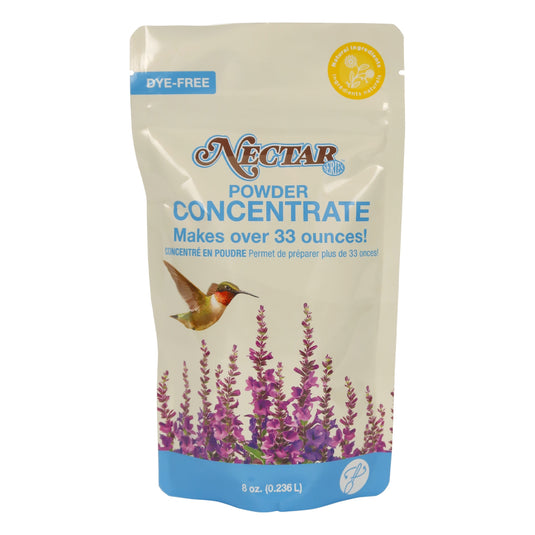
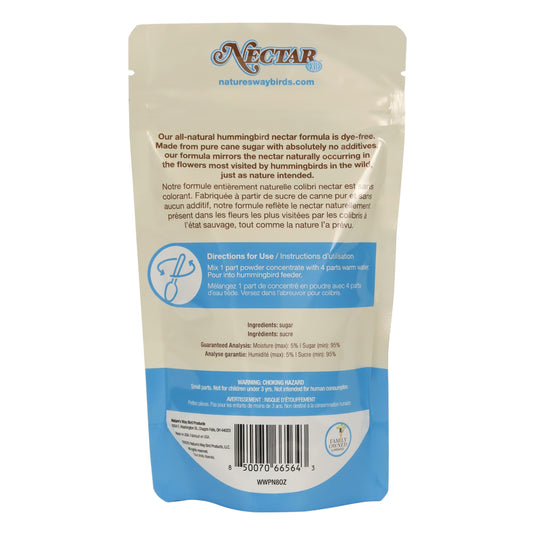
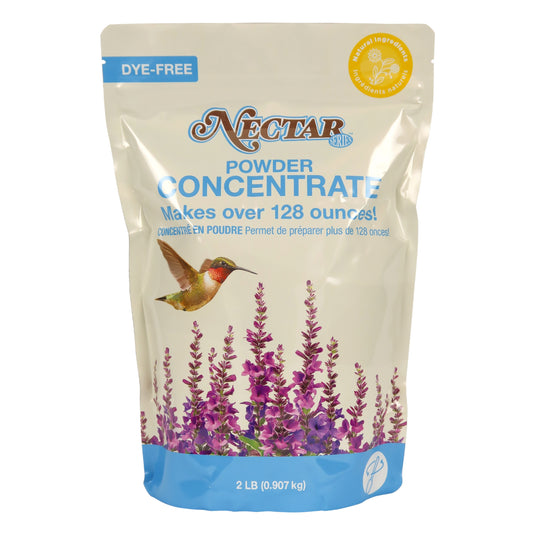
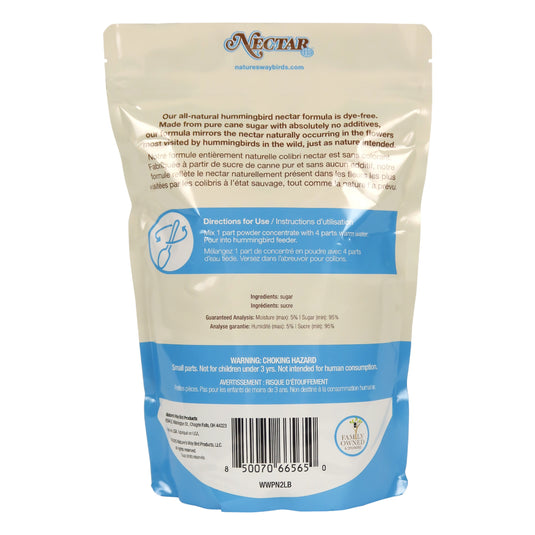
Quick-Mix Convenience: Stir 1 part powder into 4 parts warm water — no boiling required — for nectar that’s feeder-ready in seconds.
Clean & Safe Formula: Dye-free, preservative-free blend c...
Subscribe to our newsletter
Want to see more tips and advice like this?
Be the first to know about new product releases and store sales, seasonal birding tips, and fun facts about your backyard wildlife.
We promise to only send good things!
Use left/right arrows to navigate the slideshow or swipe left/right if using a mobile device
Choosing a selection results in a full page refresh.
Press the space key then arrow keys to make a selection.
Shopping Cart
Unlock 15% off your next order
Sign up and automatically receive a 15% off discount code to your inbox.
I have a wren house that has been active for years. Now a Robin is building a nest right next to it should I stop the Robin from nesting? Will it stop my Wren activity?
Hi Inga. Thanks for writing in. It sounds like you are doing the right things and yes, you can clean out after you are sure the babies have fledged. You can also read our bird house cleaning tips blog here: bit.ly/3MKeRvQ
Happy birding!
My bewicks wren babies fledged and left the next 6 days ago. They are already flying and off with mom and dad. Got lots of video. Should I clean out the nest now? I already did but I kept it intact just in case I needed to put it back. Cleaned the birdhouse with vinegar mix and dried it and put a bunch of new feathers I collected on it. First I put my pomeranian hair in there and they used it as a base to the nest. So this time I collected tons of downy feathers from down by the lake. Same ones they used.
Hi Joe, Thank you for reaching out! Our research has shown that wrens can be territorial so if there is one already in an established nest, chances are another one won’t enter into the same ‘territory’. Hope this helps and happy birding!
Hi,
I have two wren houses in the same tree. They’re nesting in one. No birds seems to check out the other house. Are they territorial? They’re within 4 feet of each other. Should I move one birdhouse to another tree? Thanks for your help.