
How to prepare for spring migration
Whether you’ve been birdwatching for years or you're just starting to pay attention to the birds around you, getting your backyard ready is the key to making sure they feel right at home. So, let’s make it your best birding year ever and dive into this step-by-step guide to preparing for the much-awaited spring migration season!

Rose-breasted Grosbeaks feeding from Hanging Platform Feeder
When is spring migration?
Excited to welcome your feathered friends back to your yard? The timing of their return is mostly dependent on your geographic location and external factors like temperature, food availability, and daylight hours. According to BirdCast and eBird data collected between 2013 - 2022, these are the peak migration times across the United States. Canadian regions can expect peak migration late-May through June.
|
Region of United States |
Peak Spring Migration |
|
Southern Florida & Gulf Coast |
April 21–26 |
|
Southeast U.S. |
April 27–May 2 |
|
Southern & Central U.S. |
May 3–8 |
|
Mid-Atlantic & Central Midwest |
May 9–14 |
|
Northern Midwest & Northeast |
May 15–21 |
Note: Peak hummingbird migration may differ from these dates. For the most accurate arrival predictions, refer to the hummingbird migration map based on citizen-reported sightings.

The BirdCast project mapped out the weeks of peak spring bird migration, defined as the periods with the highest nightly average of aerial bird density. The data were collected from 143 radar systems from coast to coast using data from 2013 to 2022. Graphic by Audrey Carlsen. Data analysis by Adriaan Dokter. Migration data from BirdCast and eBird.
Prepare your bird feeders
It’s time for a spring cleaning! Take down your feeders and give them a good scrub with a solution of one part bleach to nine parts hot water (for sanitization), or with a mild solution of unscented dish detergent and warm water. If you swap out your feeders depending on the season, take out your springtime feeders a few weeks before you expect the birds to be returning (based on the migration timeline above).
Need a refresher on what seed types attract which birds? Whether you want to attract colorful finches, keep pesky starlings away, or bring in more woodpeckers, the right seed makes all the difference! Our bird seed guide breaks down the best options - like black oil sunflower, suet and peanuts - plus the perfect feeders to use with them.
Then, take a look at our recommendations for the best bird feeders to have out this spring!

Anna’s Hummingbird feeding from Ribbed Rose Gravity Hummingbird Feeder
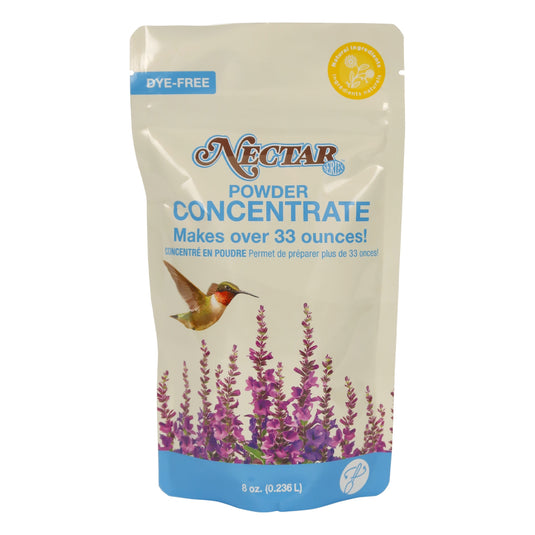
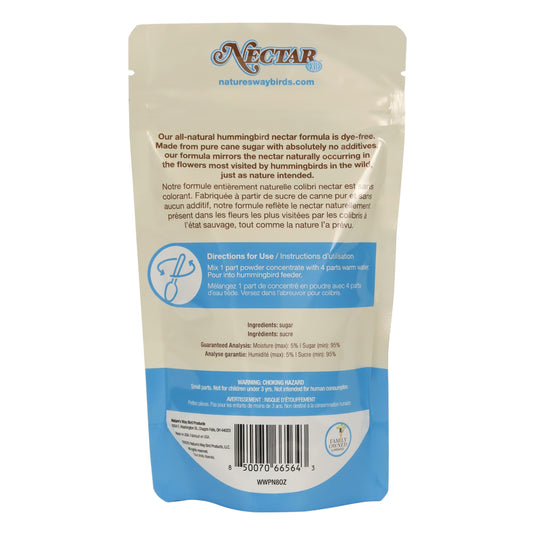
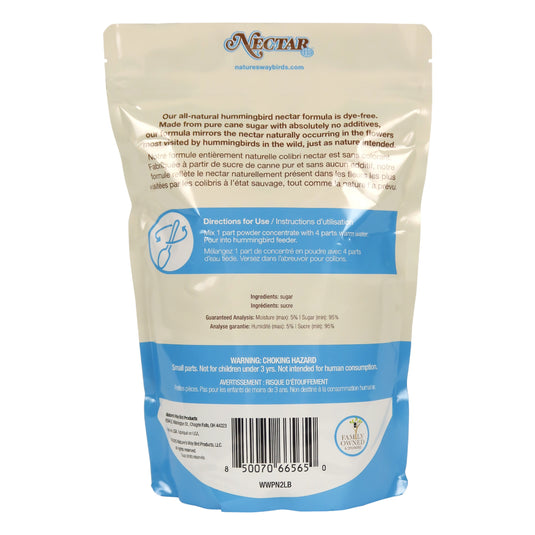
A quick note on when to set out your hummingbird feeder: We recommend having your hummingbird feeders filled with homemade nectar and set up about two weeks prior to the birds’ return. If you’re not sure when they’ll be in your area, you can periodically check the interactive hummingbird migration map for first sightings of hummingbirds in the US and Canada.
Get your bird house ready
Nesting season begins from around mid-March to mid-June. To set yourself up for a successful nesting season, make sure to have your bird house cleaned out or mounted before then! Regular upkeep of your birdhouse is essential for attracting birds and ensuring their health. Old nests can harbor bacteria and mites, potentially spreading disease and deterring new occupants.
If you’ll be setting up a new bird house this season, be sure to follow our bluebird and wren house mounting instructions to make sure you’re installing it in the right location and using the recommended method.

House Wren and nestlings in Bluebird Box House
Birds need water, too!
Water is just as important as food for migratory birds. As temperatures rise, birds need a reliable water source for drinking and bathing. Adding a birdbath is key for providing the essentials for your birds. A fresh water supply can attract a variety of bird species (even ones that don’t frequent bird feeders), and the sight of birds splashing in the water is a real treat for birdwatchers!
Make it a bird feeding station
Now that you’re preparing your feeders, birdhouses, and bird baths for the season, why not transform them into a welcoming bird feeding station? This will not only attract birds but also enhance your outdoor space! A well-designed bird feeding station combines a variety of feeders, birdbaths, and native plants to provide food, water, and shelter year-round. Check out our bird feeding station guide to see if you have all the essentials and learn how to bring them together for a thriving bird-friendly environment.

Birds feeding from Sunglow Metal Mesh Thistle Bird Feeder, Midnight Metal Mesh Mixed Seed and Peanut Bird Feeder and Recycled Glass Hanging Combination Bird Feeder and Bath
Identify your new feathered friends!
Since you’ll be seeing some new faces around your feeders, get ready to identify them with these recommended resources:
- Nature’s Way common backyard birds list: Whether you’re a beginning birder or a seasoned expert, identifying the birds who visit your backyard can sometimes be a challenge. This quick guide-at-a-glance can help you identify the most common backyard birds. Then, take a deep dive into each one to learn more about their distinctive features, how to attract them, how they nest, and more!
- Merlin Bird ID app: Answer three simple questions about a bird you are trying to identify and Merlin will give you a list of possible matches. Merlin offers quick identification help for all levels of bird watchers to help you learn about the birds across the Americas, Europe, Asia, Africa, and Oceania.
- National Geographic Field Guide: This fully revised edition of the best-selling North American bird field guide is the most up-to-date guide on the market. Perfect for beginning to advanced birders, it is the only book organized to match the latest American Ornithological Society taxonomy.
- State-specific field guides: Author, naturalist and wildlife photographer Stan Tekiela is the originator of the popular state-specific field guide series and many easy-to-use identification guides for the U.S.
Final thoughts
By preparing your backyard for spring migration, you'll be setting the stage for a beautiful season of birdwatching. From providing the right food to offering clean nesting sites and water, your efforts will pay off in the form of vibrant, song-filled days.